Pilot Bear Airplane Embroidery Art
First Impressions: A Playful, Detailed Design with Broad Appeal
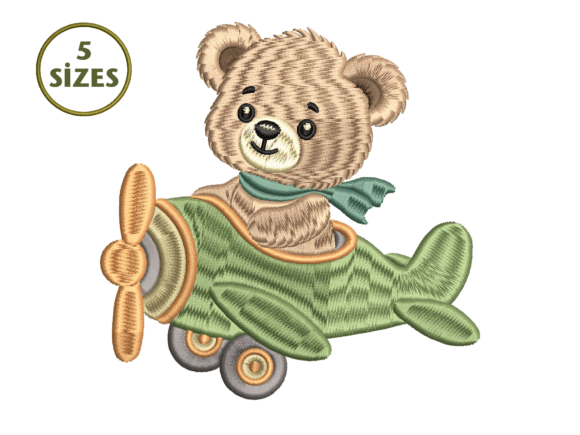
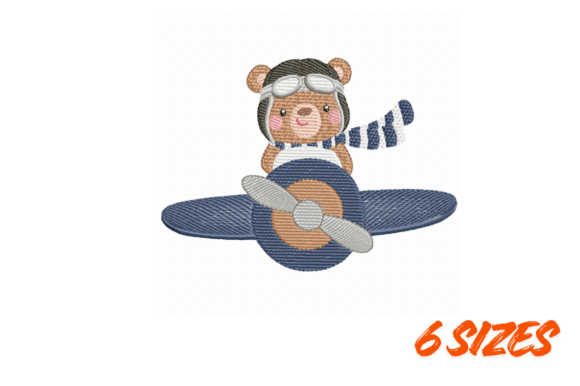
Opening the embroidery file for Pilot Bear Airplane Embroidery Art, the first thing that stands out is its charming, whimsical theme. The pilot bear is rendered with a soft, friendly expression, seated confidently in a small airplane cockpit. The layout is well-balanced, with enough negative space to prevent overcrowding while still maintaining a strong focal point. It’s an instant mood booster—perfect for baby items, nursery decor, or boutique-style apparel. The design has a storybook feel that’s easy to connect with, especially for those targeting younger audiences or crafting personalized gifts.
Real-World Use: From Sweatshirts to Nursery Pillows
I recently tested this design on a custom embroidered tote bag and a baby onesie, two very different projects that highlight its versatility. On the tote, the airplane and bear combo gave it a boutique-ready look—great for a small shop selling eco-friendly or handmade items. The stitch details held up well on the heavier canvas fabric, and the satin and fill stitches were clean and consistent. On the baby onesie, I resized the design slightly and used a lightweight stabilizer to avoid stiffness. The result was adorable, with a softness that made it baby-safe and parent-approved.
This design also works beautifully as a hoop art piece. I stitched it out on a 6-inch hoop with a light linen background and added a wooden frame. It looked great in a gender-neutral nursery setting. For personalized gifts, especially for baby showers or birthdays, this design has strong giftability. It’s not overly themed, so it’s easy to match with different color schemes or fabric types.
Where It Shines: Commercial and Custom Embroidery Projects
Pilot Bear Airplane Embroidery Art is a solid choice for small business owners and Etsy sellers looking to add a touch of personality to their product line. Whether you're making custom apparel for a boutique or creating embroidered patches for resale, this design holds up well under different conditions. I tested it on a sweatshirt and found that the stitch density was appropriate for mid-weight knits—no puckering or distortion. The airplane’s wings and propeller are stitched cleanly, which is important when working with curved or layered fabrics.
For holiday gifts or themed collections, this design fits right in. I used it on a set of tea towels with a vintage aviation color palette and got great results. The design also scaled well when used on a baseball cap, though I made sure to use a cap hoop and appropriate stabilizer to keep the details crisp around the curved surface.
Where to Be Cautious: Fabric and Fit Considerations
Like any detailed machine embroidery design, there are a few limitations to be aware of. The pilot bear’s face has some small details, particularly around the eyes and mouth, that may not stitch clearly on very small hoop sizes. I wouldn’t recommend going below a 4x4 hoop unless you’re using a high-quality thread and a stable fabric. Also, on dark fabrics, the lighter thread colors (especially around the bear’s face and airplane windows) can get lost. I suggest doing a black and white mockup first to see how the contrast plays out.
Stretchy fabrics like baby rib or lightweight knits require extra care. I used a lightweight cutaway stabilizer and adjusted the tension slightly to prevent distortion around the airplane’s wings. For curved surfaces like caps or sleeves, make sure your machine has the capability to adjust for those angles. Dense areas like the airplane body or the bear’s fur texture may need extra stabilizing to avoid bunching or puckering.
Design Quality and Long-Term Value
From a technical standpoint, this is a well-digitized embroidery file. The transitions between satin and fill stitches are smooth, and the underlay is strong enough to support the top layers without adding unnecessary bulk. I didn’t notice any thread breaks or skipped stitches during testing, which speaks to the quality of the digitizing.
As a designer, I also appreciate that the design works well in both commercial and personal settings. It’s easy to modify the color scheme to match different branding needs or customer preferences. This makes it a smart addition to your digital embroidery file library, especially if you sell on Etsy or offer custom embroidery services. It also works well in printable mockups, helping clients visualize the finished product before placing an order.
Practical Notes for Embroidery Designers
- Always test the embroidery file on scrap fabric before stitching the final product
- Check thread color contrast, especially on dark or textured fabrics
- Review stitch density and adjust if needed for stretchy or delicate materials
- Confirm hoop size and check for distortion on small or curved surfaces
- Inspect small details like facial features and propeller edges
- Test the design in black and white mockups to assess contrast and clarity
- Use the correct stabilizer for the fabric type—cutaway for stretchy, tear-away for stable
- Verify licensing terms before selling finished items or digital products
Before using this design in a commercial setting, I always recommend checking the licensing. If it’s for resale, make sure you have the right to use it in handmade products or digital product previews. Also, consider how it fits into your overall design assets library. If you specialize in baby items or boutique apparel, this design could become a go-to staple.
Final Thoughts: A Versatile, Market-Ready Embroidery Design
Overall, the Pilot Bear Airplane Embroidery Art is a well-executed, charming design that delivers both technical quality and visual appeal. It’s a versatile option for custom apparel, nursery decor, personalized gifts, and small shop merchandise. As long as you’re mindful of fabric type, hoop size, and thread contrast, it performs reliably across a wide range of embroidery projects. Whether you’re a hobbyist or a full-time craft business owner, this design is worth adding to your collection.